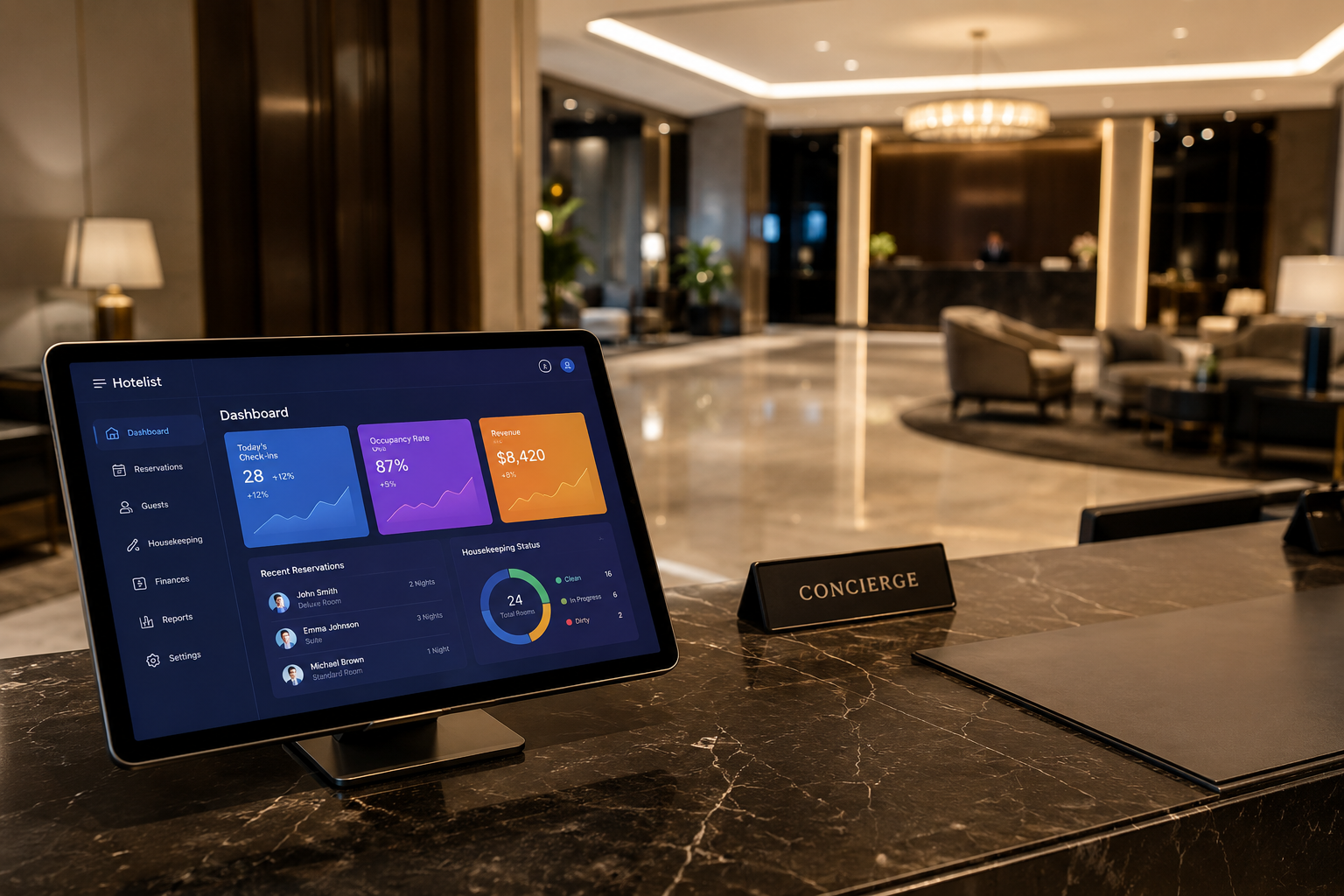


In the hospitality industry, optimizing revenue is always the top priority for hotel, resort, and homestay owners. One of the most powerful tools to achieve this goal is a flexible pricing strategy. In particular, controlling and adjusting seasonal room rates plays a decisive role in the survival of the business. This article will share the secrets to help you manage seasonal room rates in the most effective way. Why manage seasonal room rates? Customer travel and accommodation demand is never fixed but always fluctuates over time. Applying a fixed price year-round will cause businesses to miss out on opportunities to increase revenue during peak season, or face prolonged vacancies during off-peak season. Effective seasonal room rate management brings many outstanding benefits: - Revenue Maximization: Increase selling prices during high-demand periods (holidays, Tet, summer) to maximize cash flow. - Occupancy Rate Optimization: Reduce prices or bundle services in the off-peak season to attract price-sensitive customers, ensuring rooms are always filled. - Enhance Competitiveness: Help hotels quickly adapt to market changes and competitor behavior. Factors affecting seasonal room pricing To build a reasonable seasonal room rate sheet, you need to carefully analyze the following factors: - Weather and climate: This is the natural factor that determines the tourist season. For example, coastal areas will have peak season in the summer, while high mountain areas like Sapa or Da Lat attract guests in the winter or during flower blooming seasons. - Holidays, Tet, and special events: Occasions like Lunar New Year, April 30 - May 1, National Day September 2, or local music festivals and major trade fairs always push room demand extremely high. - Historical booking data: Analyzing revenue and occupancy rate reports from previous years helps you accurately predict this year's booking trends. - Competitors' pricing strategy: Always closely monitor the prices of competitors in the same segment in the area to avoid being too expensive or too cheap compared to the general market. Effective seasonal room rate management strategies To successfully implement this strategy, you can apply the specific steps and methods below: 1. Divide the seasons of the year clearly Typically, a hotel's fiscal year will be divided into 3 main seasons: Peak season, Off-peak season, and Shoulder season. Below is a suggested strategy table for each season: Season of the year | Demand characteristics | Seasonal room pricing strategy Peak Season | Extremely high demand, customers actively look for rooms, occupancy rate easily reaches 90-100%. | Apply the highest price, set strict cancellation policies, require a minimum length of stay. Shoulder Season | Average demand, transitional weather, stable but not too crowded guest volume. | Keep average prices, promote short-term promotions, bundle accompanying services (spa, breakfast). Off-Peak Season | Very low demand, unfavorable weather or no prominent events. | Apply deep discount rates, create long-term vacation combo packages, focus on conference guests (MICE) or business travelers. 2. Apply Dynamic Pricing Don't let your seasonal room rates become too rigid. Apply a dynamic pricing strategy - meaning adjusting room rates based on actual demand in real-time. For example, if tomorrow's occupancy rate is still low, you can slightly reduce the price or create last-minute deals to salvage revenue. 3. Set a Minimum Length of Stay (MLOS) policy During peak occasions like Tet or long holidays, room demand is huge. To optimize revenue, you should apply a policy requiring guests to book a minimum of 2 or 3 nights. This helps avoid the situation where guests only book 1 night in the middle of the holiday, leaving the days before and after vacant, making it difficult to sell those rooms. 4. Create value-added service combo packages Instead of offering direct discounts during the off-peak season (which can lower your brand value), create attractive combo packages. For example: A 3-day 2-night combo including accommodation, free breakfast, 1 spa treatment, and airport transfer. Customers will feel they are getting more value at a reasonable cost, while you still maintain the core value of the room. 5. Use technology and hotel management software (PMS/CMS) Manually managing seasonal room rates on OTA channels (Booking, Agoda, Expedia...) is highly prone to errors and time-consuming. Invest in a Channel Manager system combined with hotel management software (PMS). This technology will help you automatically synchronize room rates and availability across all channels with just a few clicks. Mistakes to avoid when managing seasonal room rates - Overpricing during peak season: Price gouging customers during peak season may bring short-term profits but will ruin your brand reputation in the long run. Increase prices reasonably and accompany them with corresponding service quality. - Deep discounting without calculating costs: Discounting to attract guests is good, but you need to ensure that the price still covers variable costs (housekeeping, electricity, water, welcome drinks...). - Failing to update prices timely on OTA channels: Price discrepancies between online booking channels will confuse customers and lower the hotel's reputation score on these platforms. Frequently Asked Questions (FAQ) about seasonal room rates - How to accurately determine peak and off-peak seasons for a new hotel? For newly operating hotels, you can determine this by researching competitors in the area, referring to tourism data from the National Administration of Tourism or local departments, and tracking travel keyword search trends on Google Trends. - Should seasonal room rates remain the same throughout the year? No, you shouldn't. The tourism market is always fluctuating. Keeping a single price throughout the year will make you lose opportunities to increase revenue when demand is high and fail to compete when demand is low. - How to attract customers during the off-peak season without lowering room rates? You can focus on enhancing the customer experience by offering free additional services (free room upgrade if available, food vouchers, free early check-in/late check-out) or targeting specific customer segments such as business travelers, group tours, and conferences/seminars. Conclusion Effective seasonal room rate management is not just about increasing or decreasing selling prices, but an art that combines data analysis, customer understanding, and technology application. Hopefully, the sharing above will help you build an optimal pricing strategy, bringing outstanding revenue to your hotel or homestay. Wish you successful business!
Effective Seasonal Room Pricing Management for Hotels & Homestays
Published: | views: 0
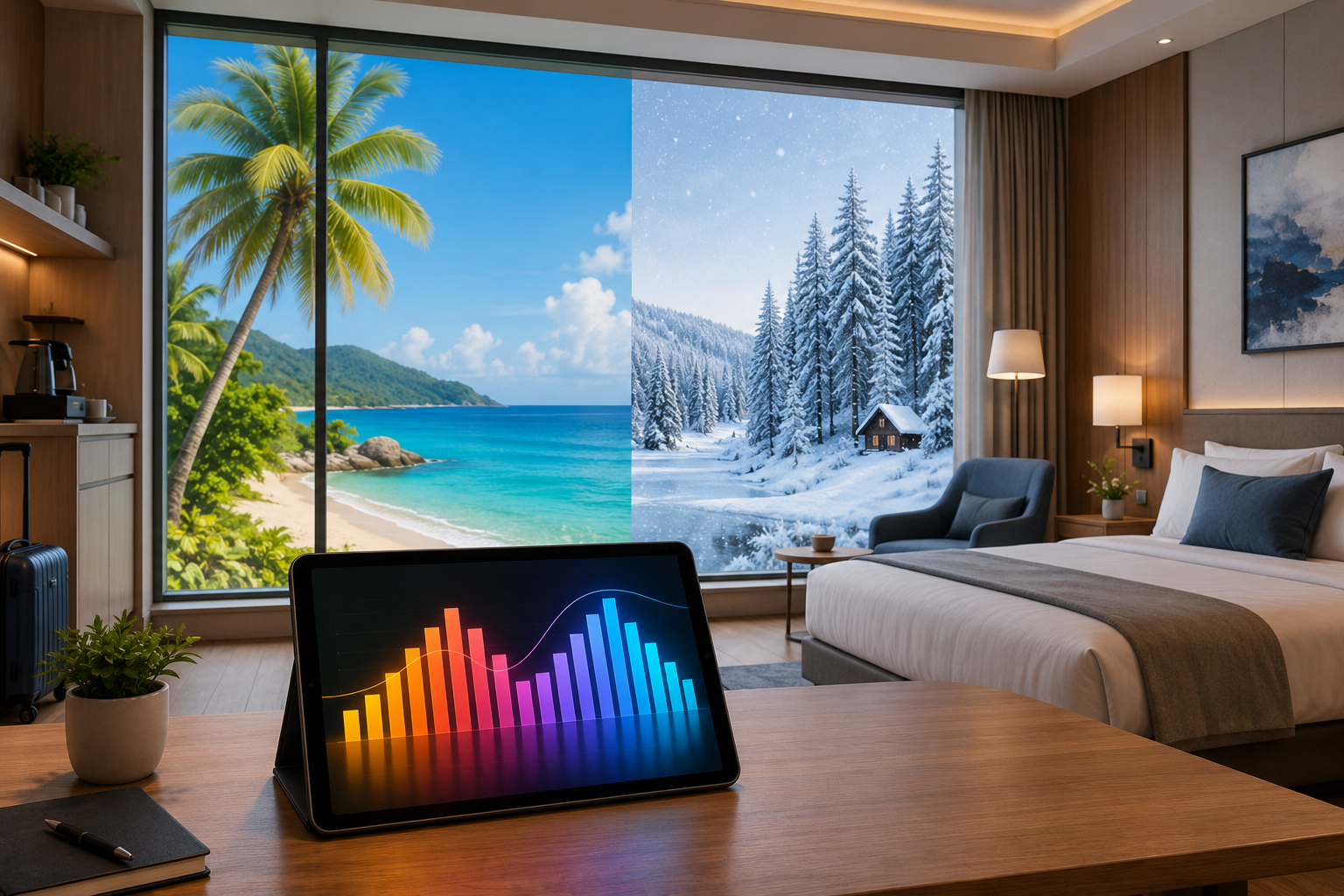
Detailed guide on effective seasonal room pricing management to help optimize revenue and maintain stable occupancy rates for hotels and homestays.