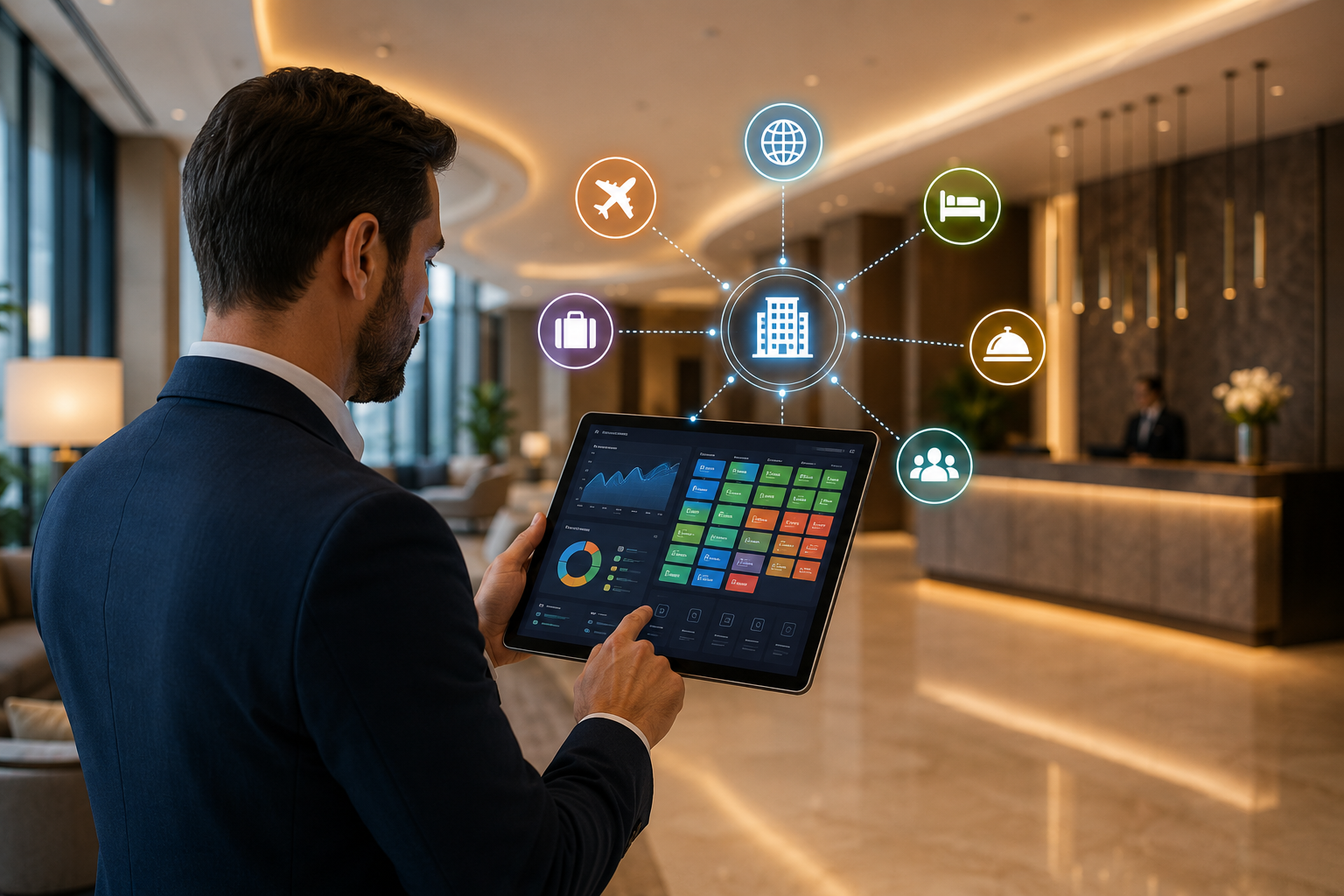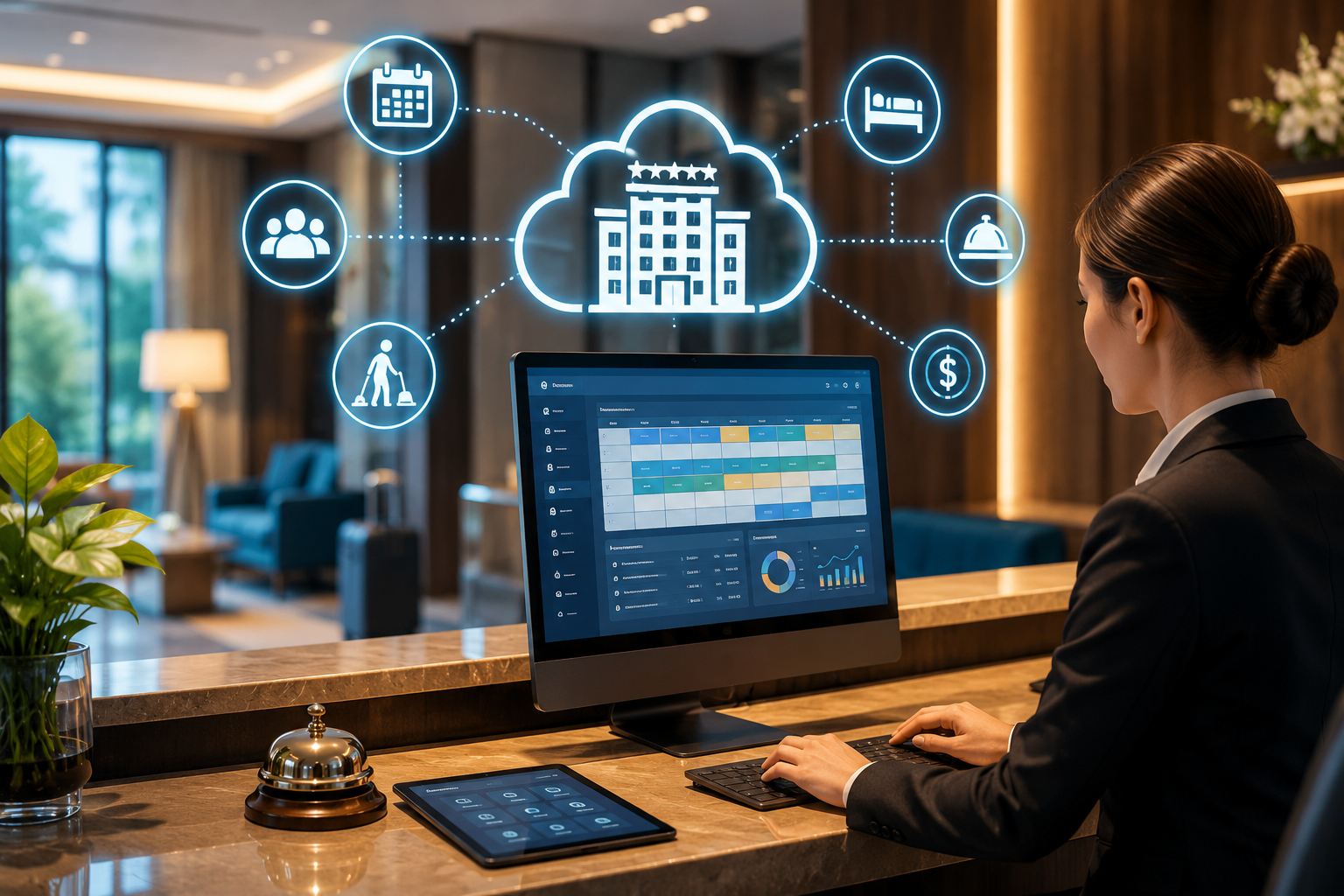


Trong ngành dịch vụ lưu trú cực kỳ cạnh tranh hiện nay, việc tối ưu hóa quy trình vận hành và tìm kiếm các giải pháp để tăng doanh thu khách sạn luôn là bài toán đau đầu của các nhà quản lý. Nhiều cơ sở lưu trú vẫn đang loay hoay với các phương pháp quản lý thủ công bằng sổ sách hoặc Excel, dẫn đến tình trạng thất thoát doanh thu, overbooking (đặt trùng phòng) và trải nghiệm khách hàng kém. Bài viết này sẽ chia sẻ một case study thực tế về Khách sạn A (quy mô 50 phòng tại Đà Nẵng) đã bứt phá ngoạn mục, tăng doanh thu khách sạn lên đến 35% chỉ sau 6 tháng nhờ ứng dụng hệ thống quản lý khách sạn (PMS) chuyên nghiệp.
Thực trạng của Khách sạn A trước khi áp dụng hệ thống PMS
Khách sạn A là một khách sạn 3 sao tọa lạc tại trung tâm thành phố Đà Nẵng. Với quy mô 50 phòng, trước đây khách sạn vận hành theo phương thức truyền thống và gặp phải rất nhiều khó khăn:
- Quản lý phòng thủ công: Nhân viên lễ tân phải cập nhật trạng thái phòng bằng file Excel. Việc này dẫn đến sai sót, cập nhật chậm trễ và thường xuyên xảy ra tình trạng overbooking vào mùa cao điểm.
- Phụ thuộc vào một vài kênh bán phòng: Do không thể quản lý xuể, khách sạn chỉ tập trung bán trên Agoda và Booking.com, bỏ lỡ lượng khách hàng tiềm năng khổng lồ từ các kênh OTA khác và kênh trực tiếp (Direct Booking).
- Chiến lược giá thiếu linh hoạt: Giá phòng hầu như cố định theo mùa (mùa mưa và mùa du lịch), không thể điều chỉnh linh hoạt theo ngày trong tuần hoặc theo công suất phòng thực tế.
- Thất thoát doanh thu: Việc quản lý chi phí dịch vụ đi kèm (giặt ủi, minibar, nhà hàng) lỏng lẻo, dễ bị thất thoát do nhân viên quên ghi nhận vào hóa đơn của khách.
Giải pháp đột phá: Triển khai hệ thống PMS chuyên nghiệp
Nhận thấy những hạn chế đang kìm hãm sự phát triển, ban quản lý Khách sạn A quyết định chuyển đổi số toàn diện bằng cách áp dụng hệ thống PMS (Property Management System) hiện đại có tích hợp bộ quản lý kênh phân phối (Channel Manager). Mục tiêu cốt lõi là tối ưu hóa quy trình làm việc của nhân viên, giảm thiểu sai sót và tập trung vào các chiến lược nhằm tăng doanh thu khách sạn.
Phân tích chi tiết: PMS đã giúp tăng doanh thu khách sạn như thế nào?
Sau khi đưa hệ thống PMS vào vận hành ổn định, Khách sạn A đã ghi nhận những thay đổi tích cực rõ rệt nhờ vào 4 yếu tố cốt lõi sau:
1. Tối ưu hóa công suất phòng nhờ đồng bộ kênh bán (Channel Manager)
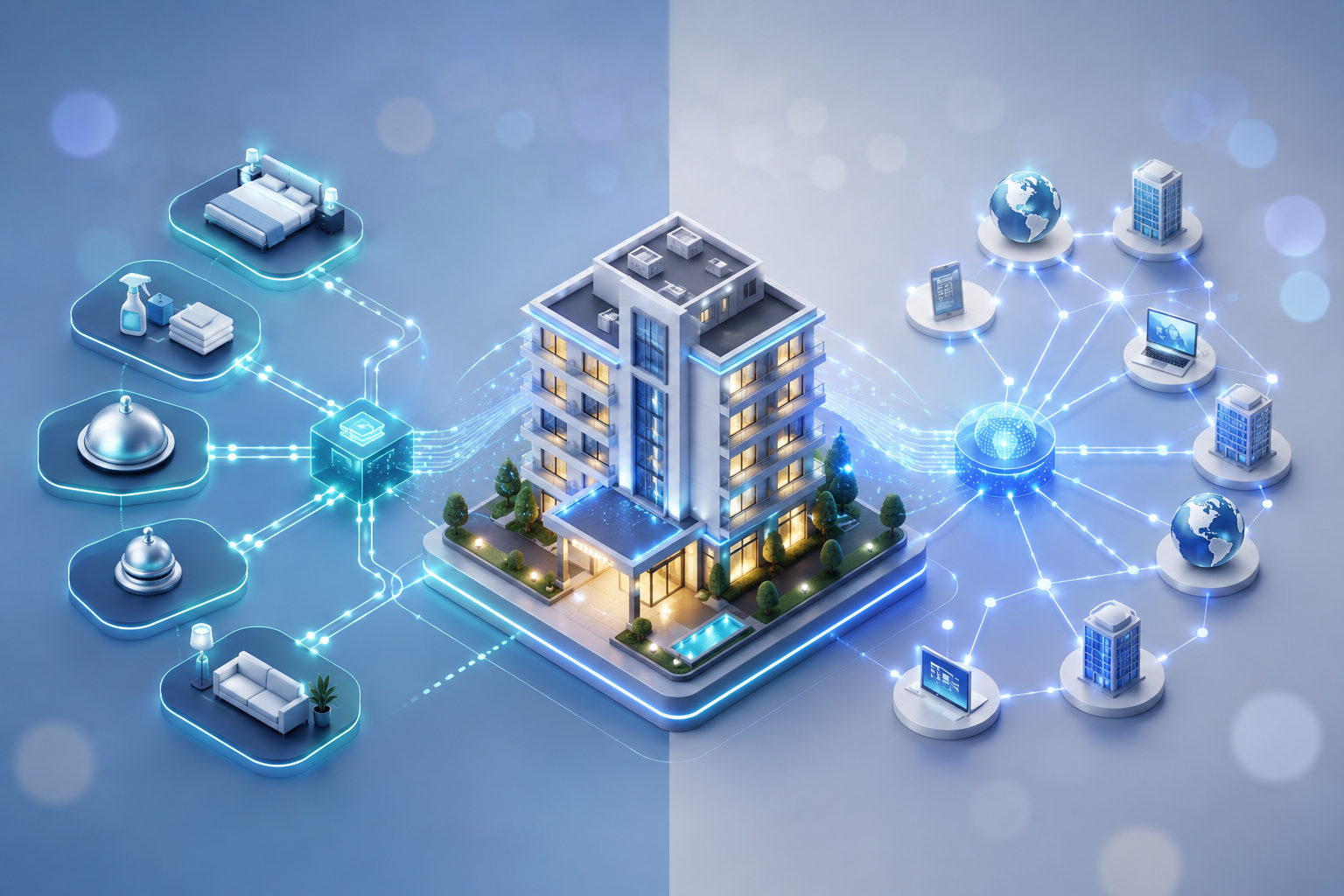
Hệ thống PMS tích hợp Channel Manager cho phép Khách sạn A kết nối đồng thời với hơn 10 kênh OTA phổ biến (như Booking.com, Agoda, Expedia, Traveloka, Trip.com...) và website đặt phòng trực tiếp. Khi có khách đặt phòng trên bất kỳ kênh nào, số lượng phòng trống trên tất cả các kênh còn lại sẽ tự động giảm xuống theo thời gian thực (real-time). Điều này giúp loại bỏ hoàn toàn rủi ro overbooking, đồng thời giúp khách sạn tiếp cận tối đa lượng khách hàng toàn cầu, nâng cao tỷ lệ lấp đầy phòng trống.
2. Áp dụng chiến lược giá linh hoạt (Dynamic Pricing) để tăng doanh thu khách sạn
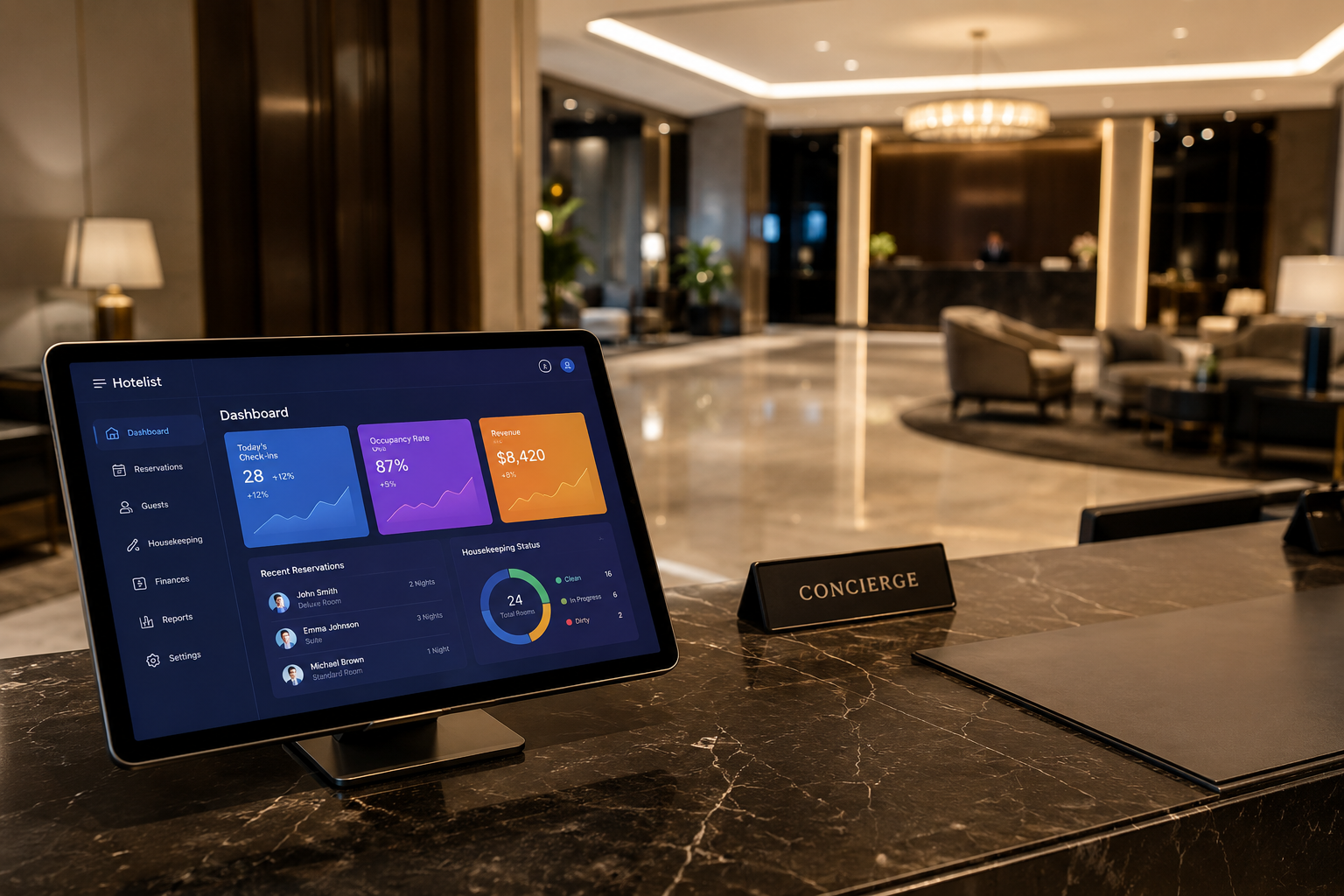
Nhờ các báo cáo phân tích dữ liệu trực quan từ PMS, ban quản lý có thể dễ dàng theo dõi xu hướng đặt phòng, công suất phòng theo từng ngày, từng giờ. Từ đó, khách sạn áp dụng chiến lược giá linh hoạt:
- Tự động tăng giá phòng khi công suất phòng đạt trên 80% để tối đa hóa lợi nhuận trên mỗi phòng bán được.
- Giảm giá nhẹ hoặc tặng kèm dịch vụ vào các ngày giữa tuần có tỷ lệ đặt phòng thấp để thu hút khách hàng.
- Đưa ra các chương trình khuyến mãi giờ chót (Last-minute deals) để lấp đầy các phòng trống trong ngày.
3. Nâng cao trải nghiệm khách hàng và thúc đẩy Upselling
Quy trình check-in/check-out giờ đây chỉ mất chưa đầy 2 phút nhờ mọi thông tin khách hàng đã được lưu trữ đồng bộ trên PMS. Nhân viên lễ tân có nhiều thời gian hơn để tương tác, chăm sóc khách hàng chu đáo. Đặc biệt, PMS hỗ trợ thiết lập các kịch bản bán thêm dịch vụ (Upselling) như nâng hạng phòng với chi phí ưu đãi, bán kèm tour du lịch, dịch vụ spa, đưa đón sân bay ngay tại quầy lễ tân hoặc gửi email tự động trước khi khách check-in. Điều này góp phần không nhỏ vào việc tăng doanh thu khách sạn từ các dịch vụ ngoài phòng.
4. Quản lý chặt chẽ dòng tiền, hạn chế tối đa thất thoát
Mọi chi phí từ dịch vụ phòng, minibar, nhà hàng đều được liên kết trực tiếp và tự động cộng dồn vào hóa đơn phòng của khách trên hệ thống PMS. Nhân viên không thể tự ý sửa đổi hóa đơn nếu không có quyền hạn, giúp ban quản lý kiểm soát dòng tiền chặt chẽ, loại bỏ hoàn toàn tình trạng gian lận hoặc quên tính tiền dịch vụ cho khách.
Kết quả vượt mong đợi sau 6 tháng áp dụng PMS
Dưới đây là bảng so sánh các chỉ số vận hành và doanh thu của Khách sạn A trước và sau 6 tháng áp dụng hệ thống quản lý khách sạn PMS:
| Chỉ số đo lường (KPIs) | Trước khi dùng PMS | Sau 6 tháng dùng PMS | Mức độ tăng trưởng |
|---|---|---|---|
| Công suất phòng trung bình (Occupancy Rate) | 55% | 78% | +23% |
| Doanh thu trung bình mỗi phòng (RevPAR) | 650.000 VNĐ | 910.000 VNĐ | +40% |
| Doanh thu từ dịch vụ đi kèm (Upsell) | Chiếm 5% tổng doanh thu | Chiếm 15% tổng doanh thu | Gấp 3 lần |
| Tỷ lệ khách hàng quay lại (Retention Rate) | 8% | 18% | +10% |
| Tổng doanh thu khách sạn | Khoảng 600 triệu/tháng | Khoảng 810 triệu/tháng | Tăng 35% |
Bài học kinh nghiệm rút ra cho các chủ khách sạn
Case study của Khách sạn A là minh chứng rõ ràng nhất cho thấy công nghệ chính là chìa khóa vàng giúp các khách sạn bứt phá doanh thu trong kỷ nguyên số. Để áp dụng PMS thành công, các chủ khách sạn cần lưu ý:
- Lựa chọn hệ thống PMS có giao diện thân thiện, dễ sử dụng để nhân viên nhanh chóng làm quen.
- Ưu tiên các phần mềm PMS chạy trên nền tảng điện toán đám mây (Cloud-based) để có thể quản lý từ xa mọi lúc mọi nơi qua điện thoại thông minh.
- Đảm bảo PMS có khả năng tích hợp mượt mà với các công cụ khác như Channel Manager, cổng thanh toán trực tuyến, và khóa từ thông minh.
- Đào tạo đội ngũ nhân viên khai thác triệt để các tính năng của PMS, đặc biệt là kỹ năng upselling và chăm sóc khách hàng dựa trên dữ liệu lịch sử lưu trú.
Câu hỏi thường gặp (FAQ)
Khách sạn nhỏ hoặc homestay có cần thiết phải dùng PMS không?
Cực kỳ cần thiết. Dù quy mô chỉ từ 5-10 phòng, việc quản lý thủ công vẫn dễ dẫn đến nhầm lẫn và mất thời gian. Một hệ thống PMS phù hợp quy mô nhỏ sẽ giúp bạn tiết kiệm thời gian vận hành, chuyên nghiệp hóa hình ảnh trong mắt khách hàng và mở ra cơ hội bán phòng trên nhiều kênh để tăng doanh thu hiệu quả.
Mất bao lâu để thấy được hiệu quả tăng doanh thu khách sạn khi dùng PMS?
Thông thường, bạn sẽ thấy sự cải thiện rõ rệt về công suất phòng và giảm thiểu sai sót vận hành ngay trong tháng đầu tiên nhờ tính năng đồng bộ kênh bán. Hiệu quả tăng doanh thu khách sạn rõ rệt nhất (từ 15% - 35%) thường sẽ được ghi nhận sau từ 3 đến 6 tháng khi hệ thống dữ liệu khách hàng đã đủ lớn và quy trình vận hành của nhân viên đã trơn tru.
Chi phí đầu tư cho một hệ thống PMS có đắt không?
Hiện nay, hầu hết các nhà cung cấp PMS đều áp dụng mô hình trả phí thuê bao hàng tháng (SaaS) dựa trên quy mô số lượng phòng của khách sạn. Chi phí này cực kỳ tối ưu và linh hoạt, chỉ tương đương với chi phí thuê một nhân sự bán thời gian nhưng hiệu quả mang lại cho việc tối ưu vận hành và tăng doanh thu là vô cùng lớn.
Kết luận
Ứng dụng công nghệ PMS không còn là một lựa chọn, mà đã trở thành yêu cầu bắt buộc nếu bạn muốn tồn tại và phát triển trong ngành kinh doanh khách sạn hiện nay. Hy vọng case study thực tế này đã tiếp thêm động lực cho các chủ khách sạn mạnh dạn chuyển đổi số, tối ưu hóa vận hành để tăng doanh thu khách sạn một cách bền vững nhất.