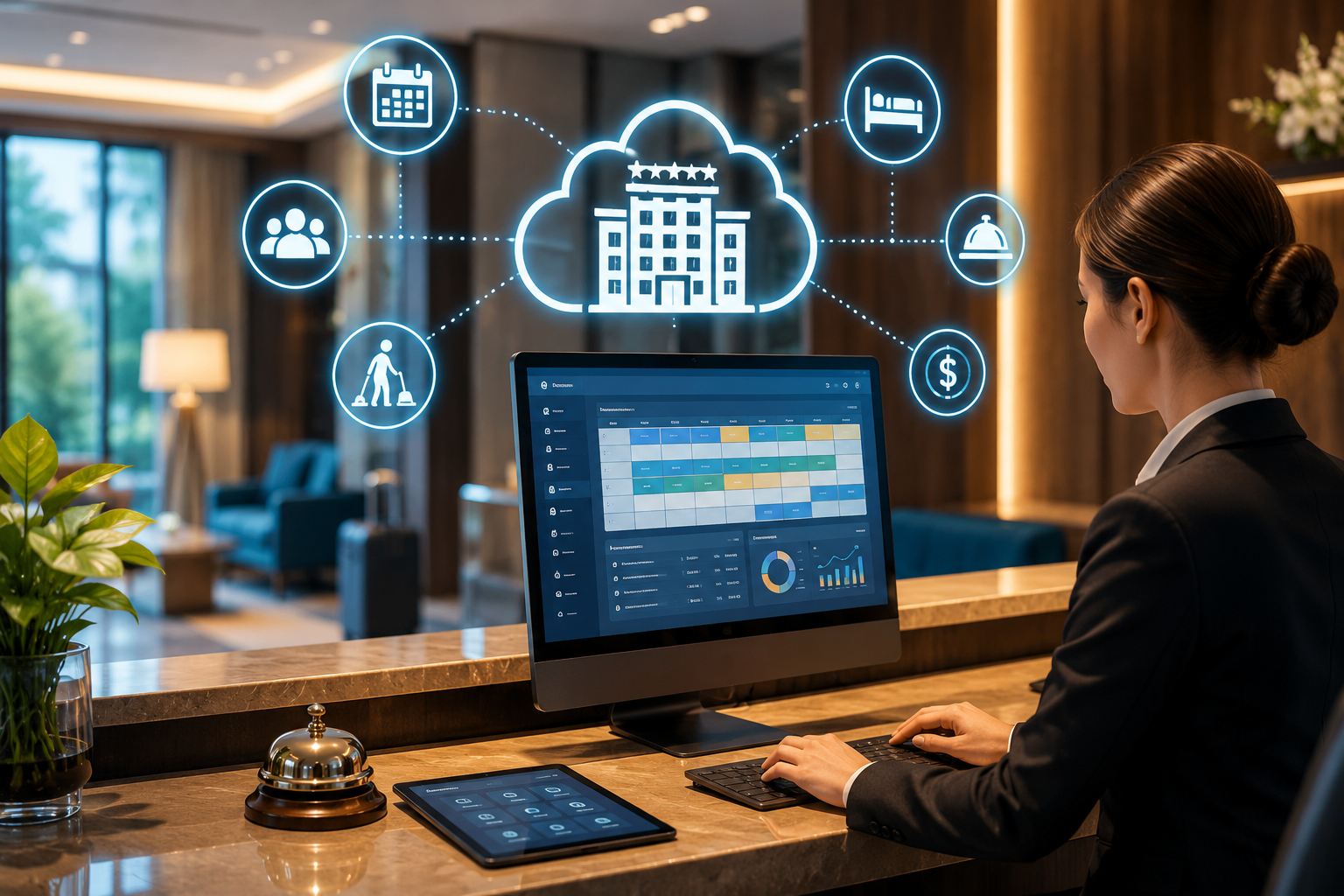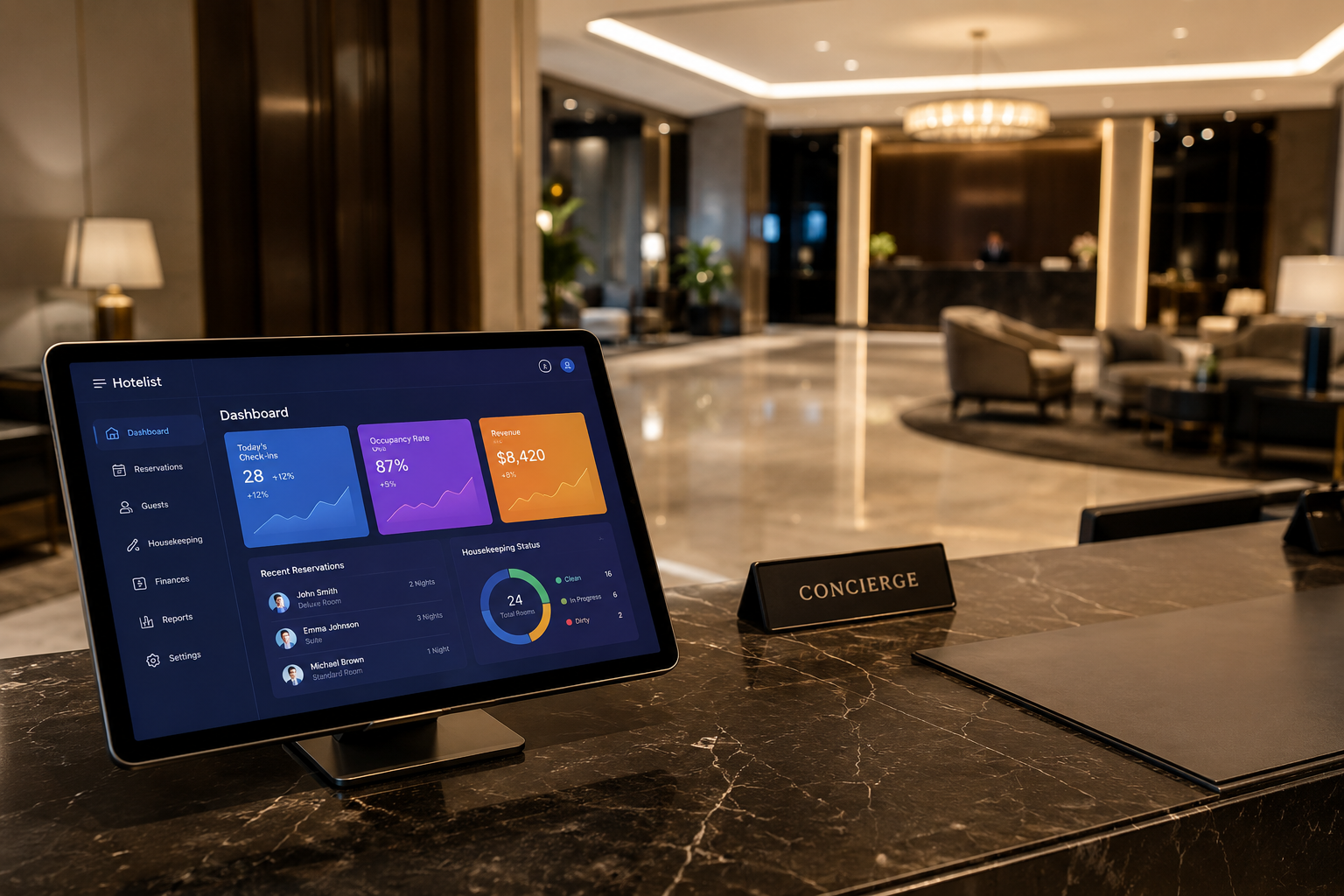



In the digital era of the tourism and hospitality industry, owning a beautiful website is not enough. To convert visits into actual revenue, hotels need a powerful tool that allows customers to book directly and quickly. That is when the Booking Engine comes into play. This article will analyze in detail the booking engine benefits (benefits of the online booking system) and why this is an indispensable investment for every accommodation provider.
What is a Booking Engine?
A Booking Engine (Online Booking System) is software integrated directly into a hotel's website or social media pages. This tool allows customers to check room availability by themselves, view real-time room rates, select add-on services, and make secure payments right on your website without going through intermediaries.
Outstanding benefits of integrating a Booking Engine
Owning an independent booking system brings many competitive advantages. Below are the most prominent booking engine benefits that hotel owners need to know:
1. Optimizing direct revenue (Direct Booking) and cutting commissions
One of the biggest benefits of a Booking Engine is helping hotels increase their direct booking rate. When customers book rooms through OTA channels (such as Booking.com, Agoda, Expedia), hotels have to pay commission fees ranging from 15% to 25%. Integrating a Booking Engine helps you keep 100% of this revenue, thereby significantly optimizing profit margins.
2. 24/7 operation and automation of operational processes
Modern customers tend to book at any time, including outside of business hours. With a Booking Engine, the system operates continuously 24 hours a day, 7 days a week. Customers can complete the entire process themselves, from room selection to payment, without waiting for confirmation from receptionists. This helps minimize human error and save operational time.
3. Enhancing customer experience and loyalty
A simple, intuitive, and secure booking process will create a good first impression with customers. A Booking Engine allows you to customize the interface to align with your brand, offer personalized deals, and send instant automated confirmation emails. This seamless experience is the first step to building customer loyalty.
4. Flexible real-time management of room availability and pricing
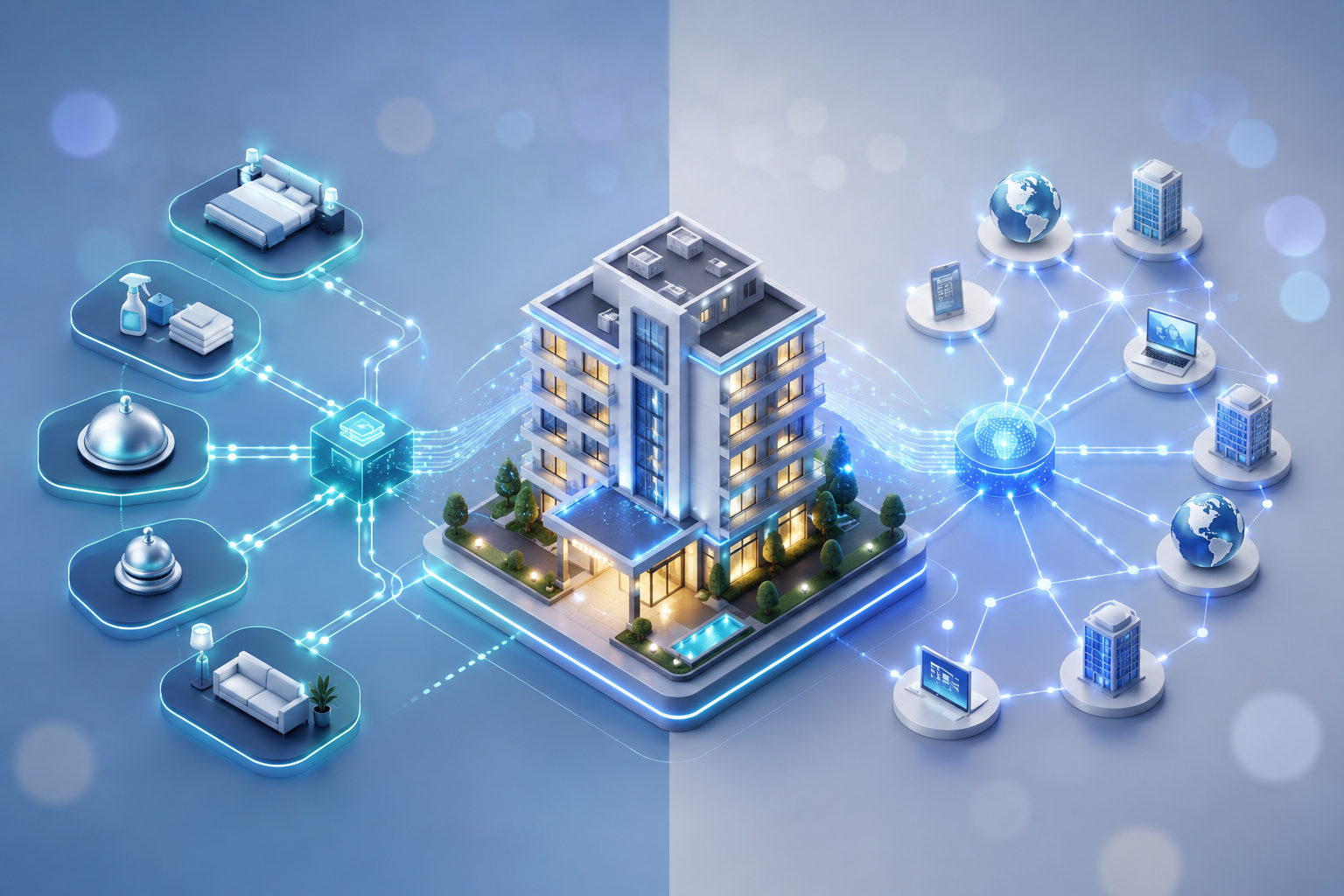
Modern Booking Engine systems are usually directly connected to the PMS (Property Management System) and Channel Manager. As a result, room availability and rates are always automatically updated in real time. You will no longer have to worry about overbooking or price discrepancies across channels.
5. Collecting and owning customer data
When customers book through OTAs, you usually do not receive their detailed contact information. In contrast, with a Booking Engine, you own all customer data, from emails and phone numbers to personal preferences. This valuable data source will help you implement email marketing campaigns, post-stay customer care, and remarketing more effectively.
Comparison table: Booking via Booking Engine vs OTA Channels
To get a clearer view of economic efficiency, let's compare the two popular booking methods today:
| Criteria | Booking Engine Integration | OTA Channels (Booking, Agoda...) |
|---|---|---|
| Commission | 0% (or very low software licensing fee) | 15% - 25% per booking |
| Customer data | Fully owned by the hotel | Held by OTAs and sharing is restricted |
| Brand recognition | Enhance the hotel's own brand | Customers only remember the OTA brand |
| Payment policy | Flexible, money goes directly to the hotel's account | Depends on the OTA's payment cycle |
| Upselling capability | Easily suggest add-on services (spa, shuttle...) | Limited by the OTA's general interface |
Must-have features of a professional Booking Engine
To maximize booking engine benefits, your system needs to meet the following modern technology standards:
- Mobile-friendly: More than 60% of bookings are currently made on smartphones. The booking interface must be seamless on all screen sizes.
- Multi-language and multi-currency support: Helps reach and attract international customers more easily.
- Secure online payment gateway: Integrate popular payment methods such as credit cards, e-wallets, and bank transfers through PCI-DSS standard secure gateways.
- Promo code creation tool (Promo Code): Encourage customers to book directly with exclusive promotions.
Frequently Asked Questions (FAQ)
Is integrating a Booking Engine expensive?
The cost of integrating a Booking Engine is usually very reasonable compared to the commission you have to pay to OTAs monthly. There are many pricing models, such as paying a fixed monthly fee or paying a very small percentage per successful transaction. This is an investment with a very high return on investment (ROI).
Can a Booking Engine completely replace OTAs?
Not really. OTAs still play an important role in reaching new customers thanks to their huge marketing budgets (the Billboard Effect). The most optimal strategy is to use OTAs as a promotional channel to attract first-time customers, then use the Booking Engine to encourage them to book directly for subsequent stays.
How to get customers to choose booking through the website instead of OTAs?
You can apply a "Best Rate Guarantee" policy on your website, along with perks such as free breakfast, early check-in/late check-out, or a welcome drink exclusively for guests booking directly through the Booking Engine.
Conclusion
Integrating a Booking Engine is not just about installing a booking tool, but a long-term strategy that helps hotels gain technological autonomy, optimize profits, and enhance brand value. Hopefully, this article has helped you clearly understand the booking engine benefits to make the right investment decision for your business.