

The "Dependence" on OTAs and the Current Reality of the Accommodation Business
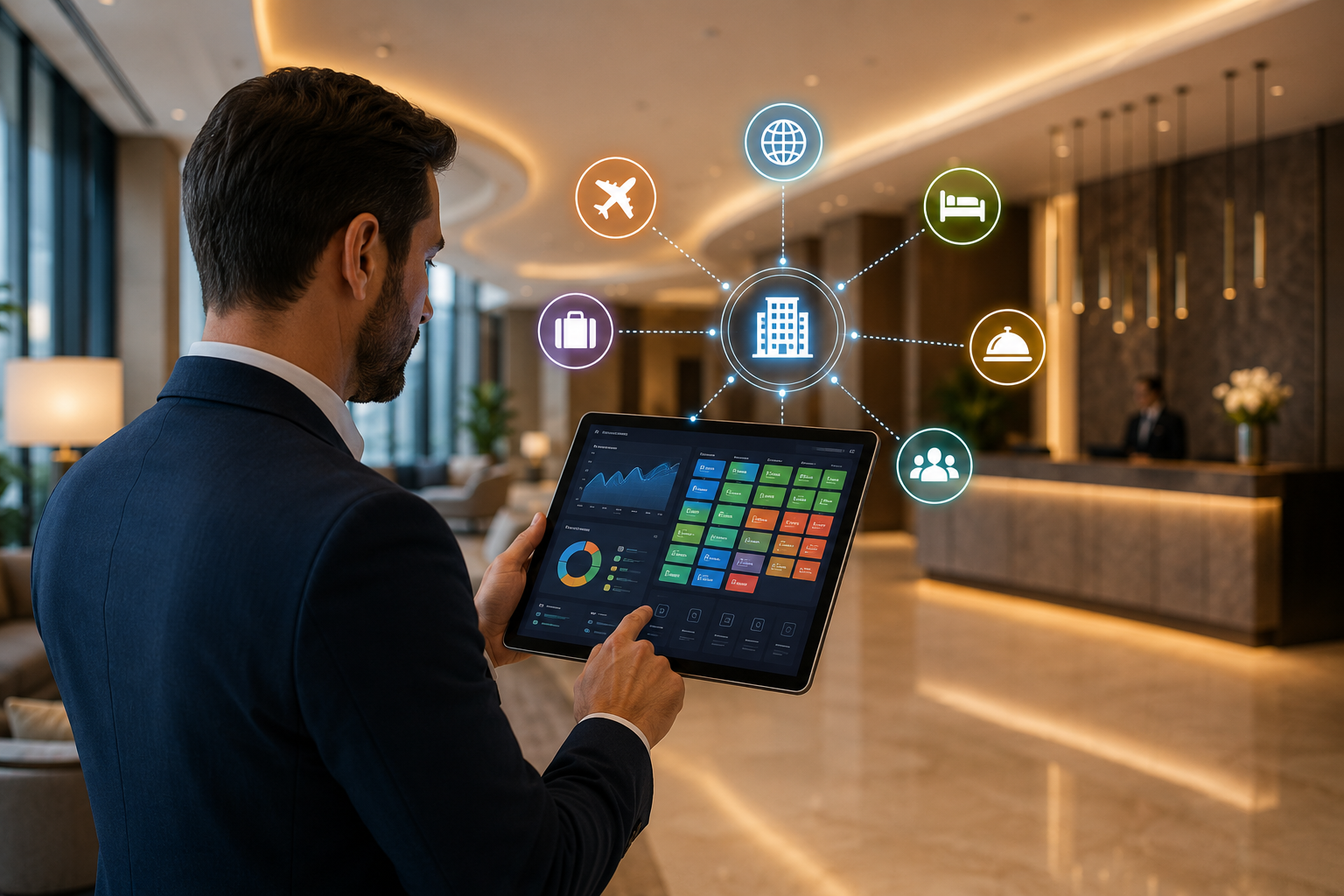
In the digital age, OTA (Online Travel Agency) platforms such as Agoda, Booking.com, Traveloka, or Airbnb have become familiar room sales channels for hotels, resorts, and homestays. However, over-reliance on these intermediary channels is putting many business owners in a passive position. Expensive commission fees ranging from 15% to 25%, and even up to 30% per successful booking, are significantly eroding profits.
Therefore, finding solutions to reduce OTA dependence and shifting towards developing direct booking channels (Direct Booking) has become a strategic survival problem for today's tourism and accommodation industry.
Why Do Hotels and Homestays Need to Reduce Dependence on OTAs?
Although the role of OTAs in bringing in initial guests cannot be denied, if your business considers OTAs as the sole primary revenue source, you will face many major risks:
- High commission costs: Fees ranging from 15 - 25% significantly reduce net profit margins. If room revenue reaches 100 million, you may have to pay up to 15 - 25 million VND to the OTA.
- Loss of control over customer data: OTAs often keep customers' actual contact information (email, phone number) confidential. This prevents you from executing customer care or remarketing campaigns to returning guests.
- Price pressure and passive policy changes: OTAs can change display algorithms, ranking orders, or cancellation policies at any time without your ability to intervene.
- Difficulty in building sustainable brand value: Customers often only remember they "booked through Booking/Agoda" and rarely remember the specific name of your hotel or homestay.
6 Effective Optimization Strategies to Help Reduce OTA Dependence
To reduce OTA dependency while still ensuring room occupancy always reaches optimal levels, you need to synchronously implement the following marketing and operational solutions:
1. Build a professional hotel website integrated with a Booking Engine
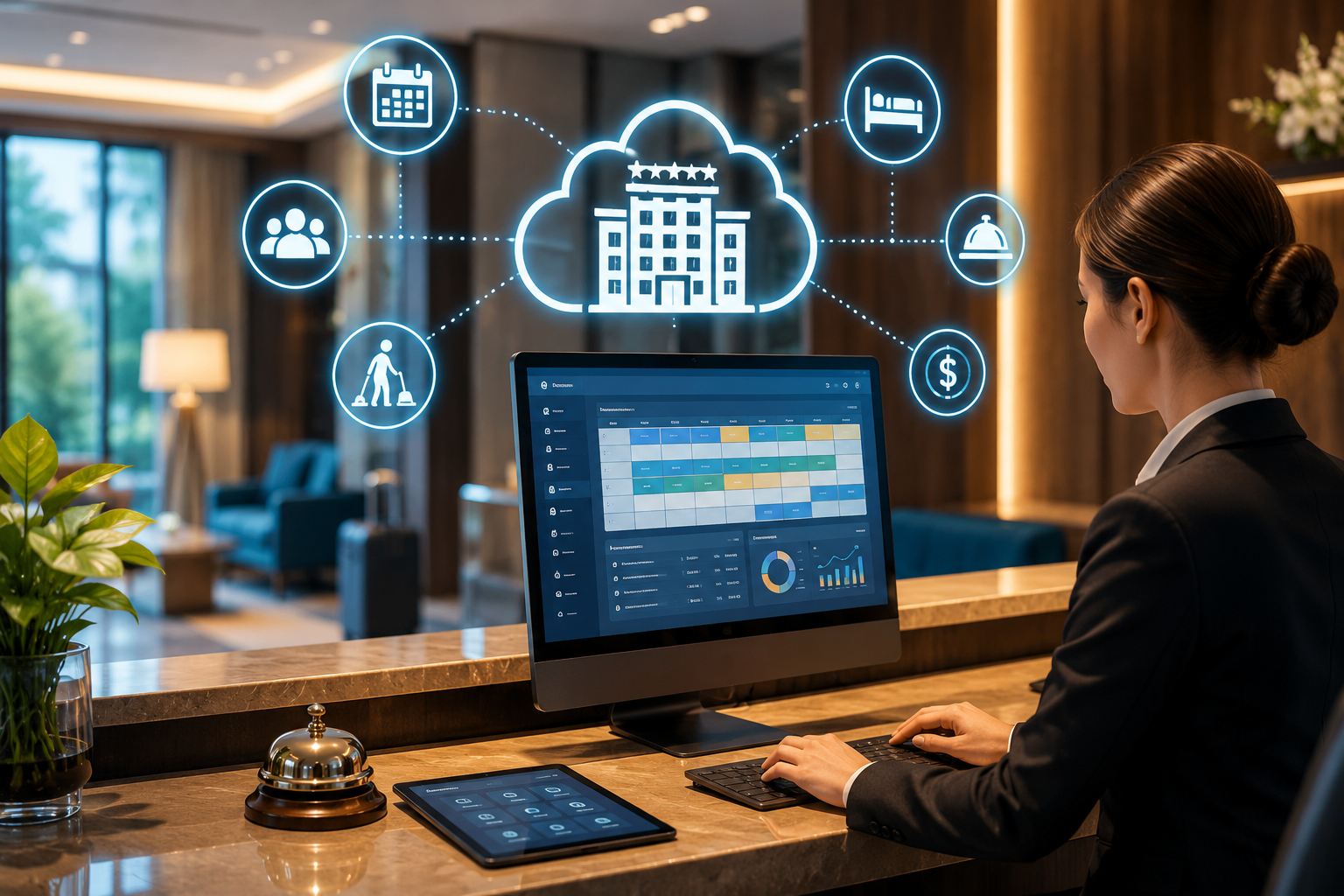
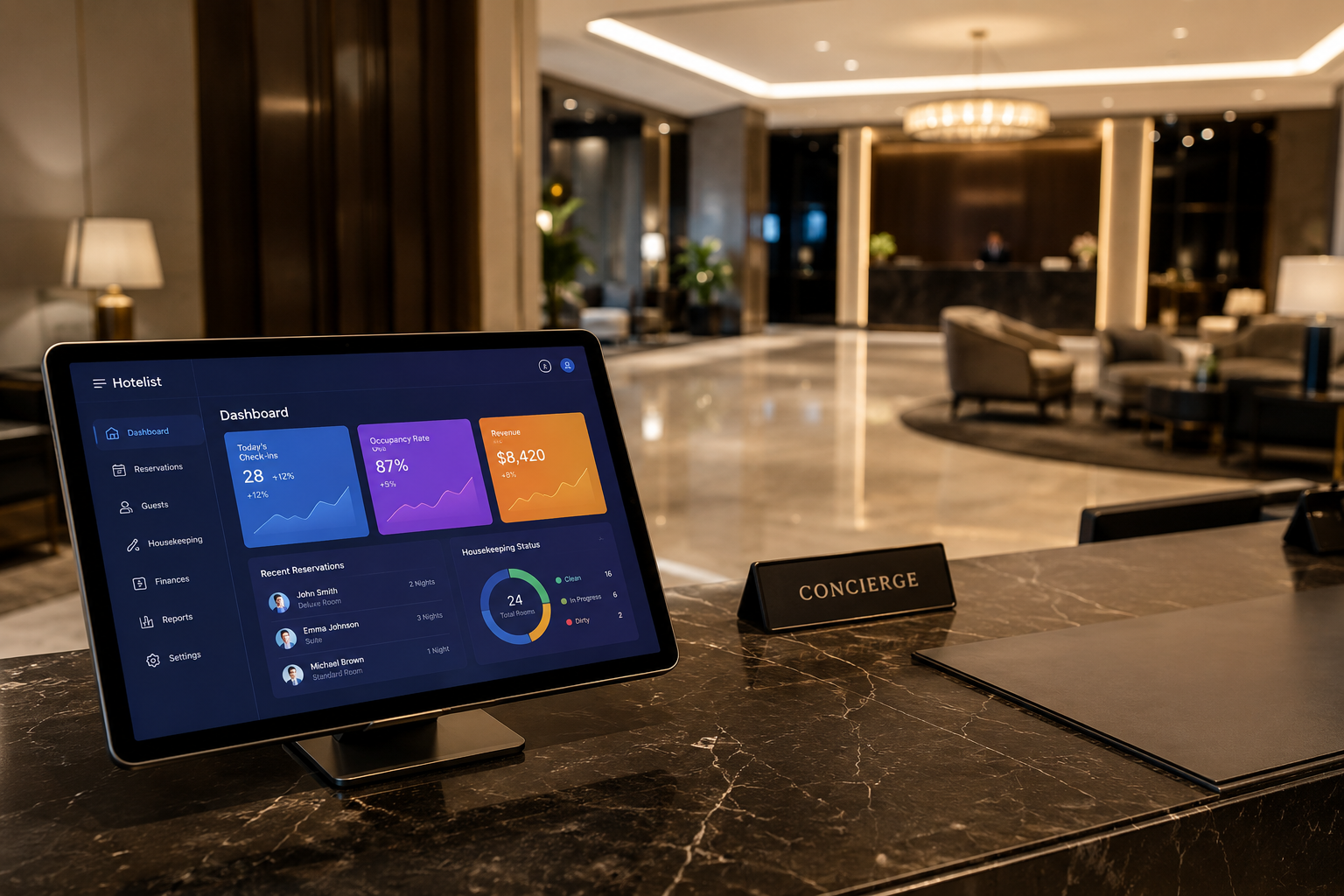
A website is your "digital home" on the internet. An SEO-standard hotel website with an eye-catching interface, fast page load speed, and mobile optimization will build strong trust with travelers. In particular, the website must integrate an online booking tool (Booking Engine) that allows customers to check availability, choose dates, and make fast, secure payments.
2. Implement a "Best Rate Guarantee" policy
Customers choose to book on OTAs mainly because they think prices there are the cheapest. To attract direct bookings, offer a price guarantee policy where rates on your website/hotline are always equal to or cheaper than those on OTAs. Additionally, you can offer exclusive perks for direct bookers such as: free breakfast, spa service vouchers, or flexible early check-in and late check-out.
3. Leverage Google Hotel Ads and optimize Google Maps SEO
Google provides the Google Hotel Ads tool to display your room rates and direct booking links directly on Google Search and Google Maps results. In addition, optimizing your Google Business Profile (Local SEO) will help your hotel appear in top positions when travelers search for keywords such as "hotels near me" or "beautiful homestays in Da Lat".
4. Boost Content Marketing and Social Media (Facebook, Instagram, TikTok)
Social media is a fantastic communication channel to touch travelers' emotions. Create engaging short video content on TikTok and Instagram Reels featuring beautiful scenery, "Instagrammable" photo spots, culinary experiences, or dedicated service procedures. Always attach a call-to-action (CTA) button leading directly to your website or Fanpage messaging for direct consultation and closing bookings.
5. Customer Relationship Management (CRM) & Email Marketing
The cost of acquiring a new customer is usually 5 times higher than retaining an existing one. Collect customer information right when they stay at your property (via Wi-Fi Marketing system, check-in form). Then, leverage your CRM system to send care emails, birthday wishes, or discount vouchers as a token of appreciation for their next booking.
6. Training receptionists to convert OTA guests into Direct guests
The first time a customer finds you through an OTA channel, provide an experience that exceeds expectations. Upon check-out, receptionists can tactfully offer guests a 10-15% discount voucher for their next stay if they book directly via the hotel's hotline or website. This is an extremely natural and effective method to turn OTA customers into loyal guests.
Comparison Table: OTA Booking Channels vs. Direct Booking Channels
| Criteria | OTA Booking Channel | Direct Booking Channel |
|---|---|---|
| Commission fee | 15% - 25% / order | 0% (Only system operation costs) |
| Customer data ownership | OTA holds the information | Business has full ownership |
| Ability to personalize experience | Limited to OTA templates | Very high, create flexible service packages |
| Customer loyalty | Low (Guests are loyal to the OTA) | High (Guests are loyal to the brand) |
Frequently Asked Questions (FAQ) about reducing OTA dependency
Q1: Should OTA channels be completely eliminated?
Answer: No. OTAs are still a very good broad-reach marketing channel to reach new customers, especially international travelers. Your goal is not to eliminate OTAs, but to balance a reasonable room sales ratio (for example: 70% Direct Booking - 30% OTA instead of being 90% dependent on OTAs).
Q2: Is the cost of building a Direct Booking channel expensive?
Answer: The initial investment cost for an SEO-standard website and Booking Engine is a reasonable and fixed cost. Compared to the massive total commission you continuously pay to OTAs every month, this is a long-term investment that yields superior profits.
Q3: How can travelers trust booking directly on the hotel's website?
Answer: The website needs to meet SSL security standards, clearly display legal information, integrate various reputable payment gateways (VNPAY, Momo, international cards), publicly share real customer reviews, and provide customer support via Zalo/Hotline 24/7.
Conclusion
The journey to reduce dependence on OTAs cannot be accomplished overnight; it requires perseverance and a well-structured strategy from accommodation business owners. By investing properly in technology, optimizing owned media channels (Owned Media), and enhancing actual service quality, your hotel will definitely gradually gain control of its customer source, maximize profits, and sustainably develop its brand.