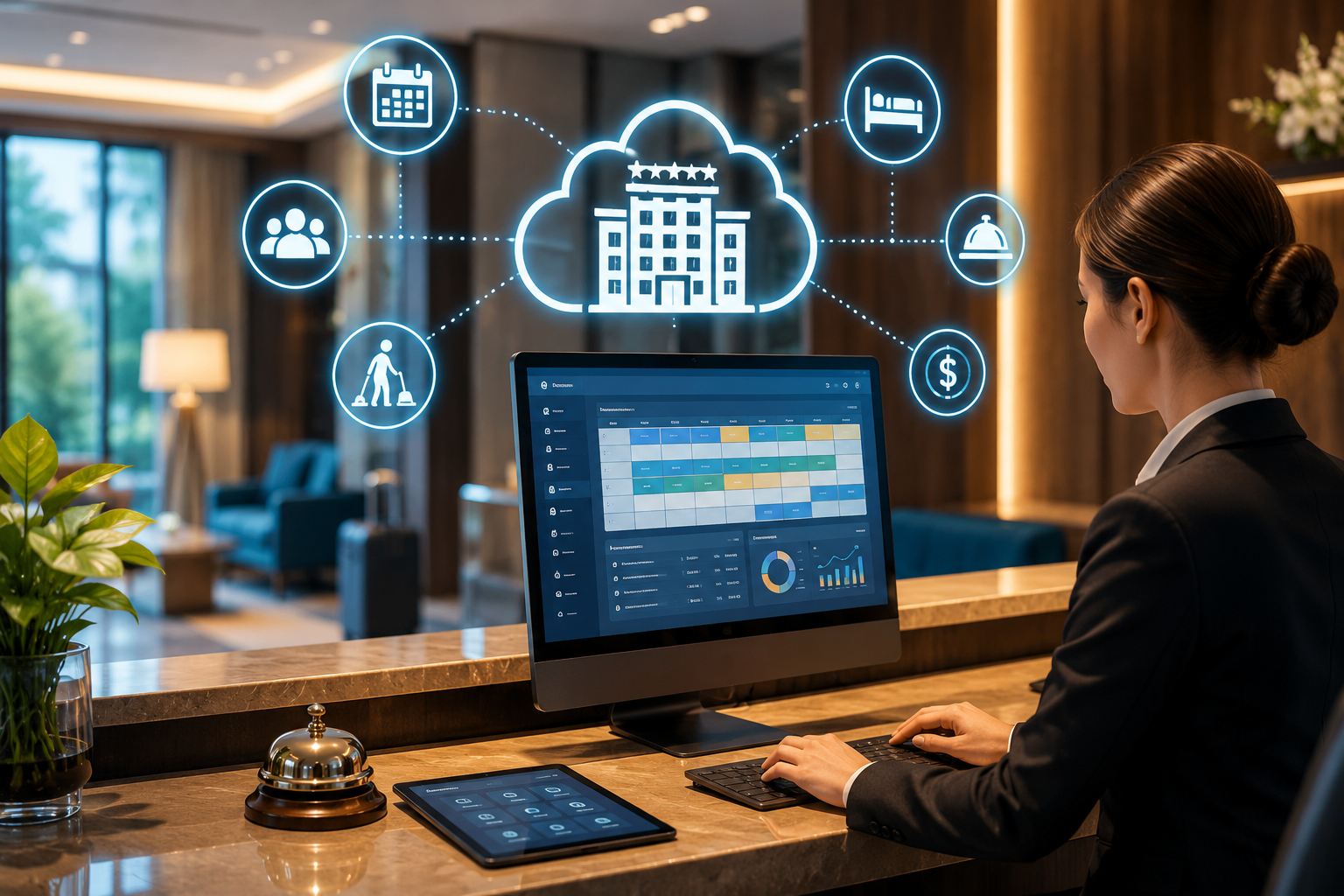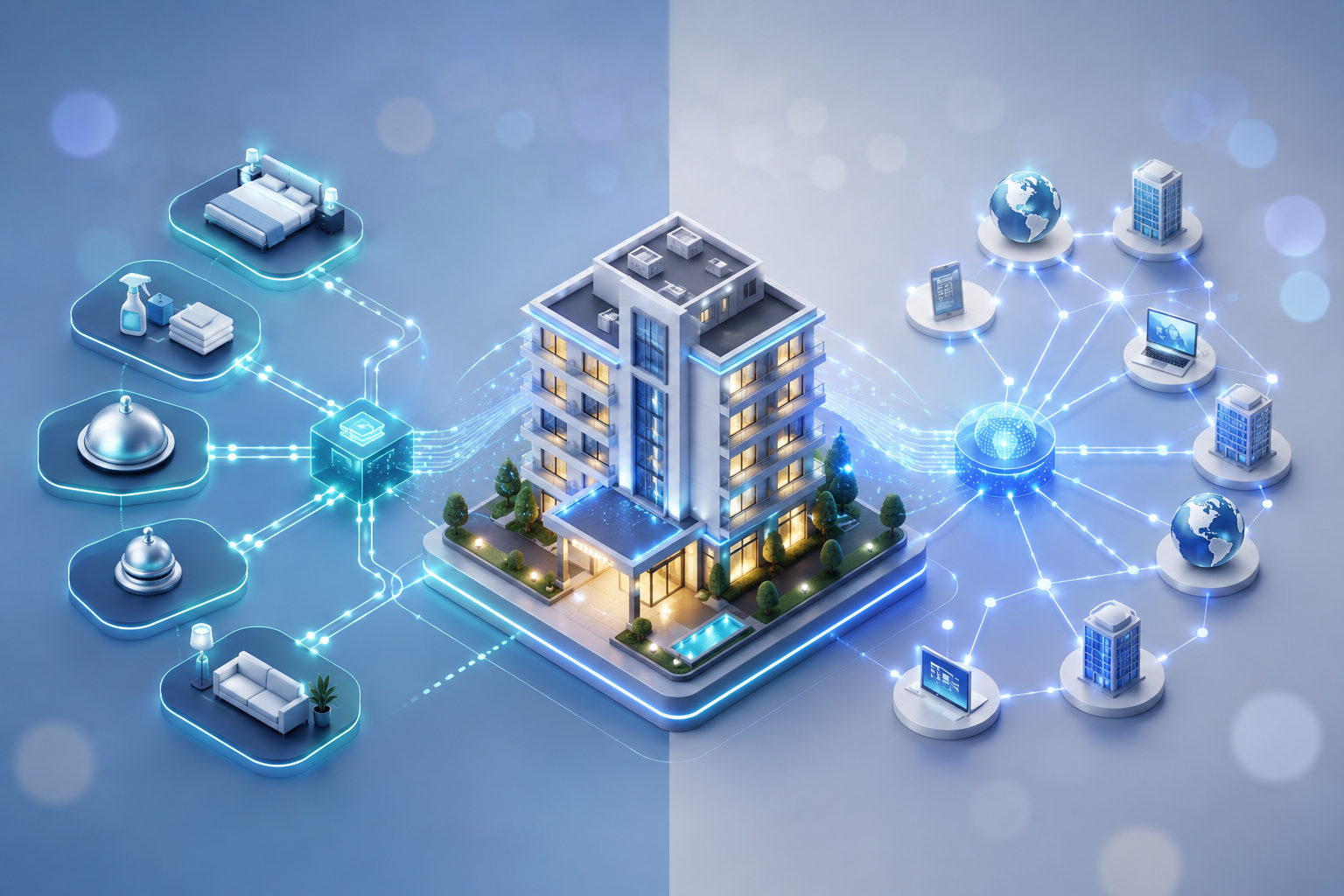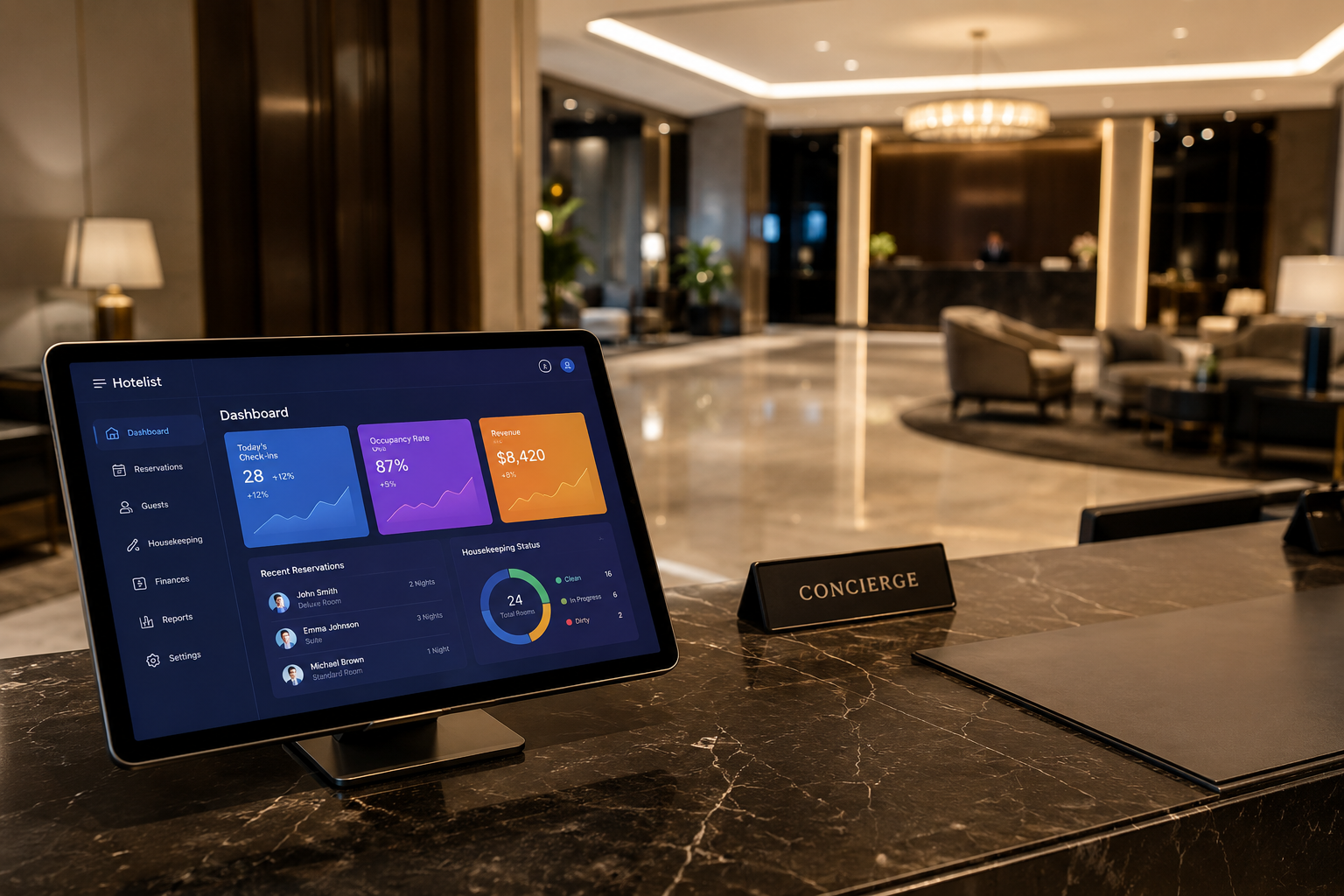


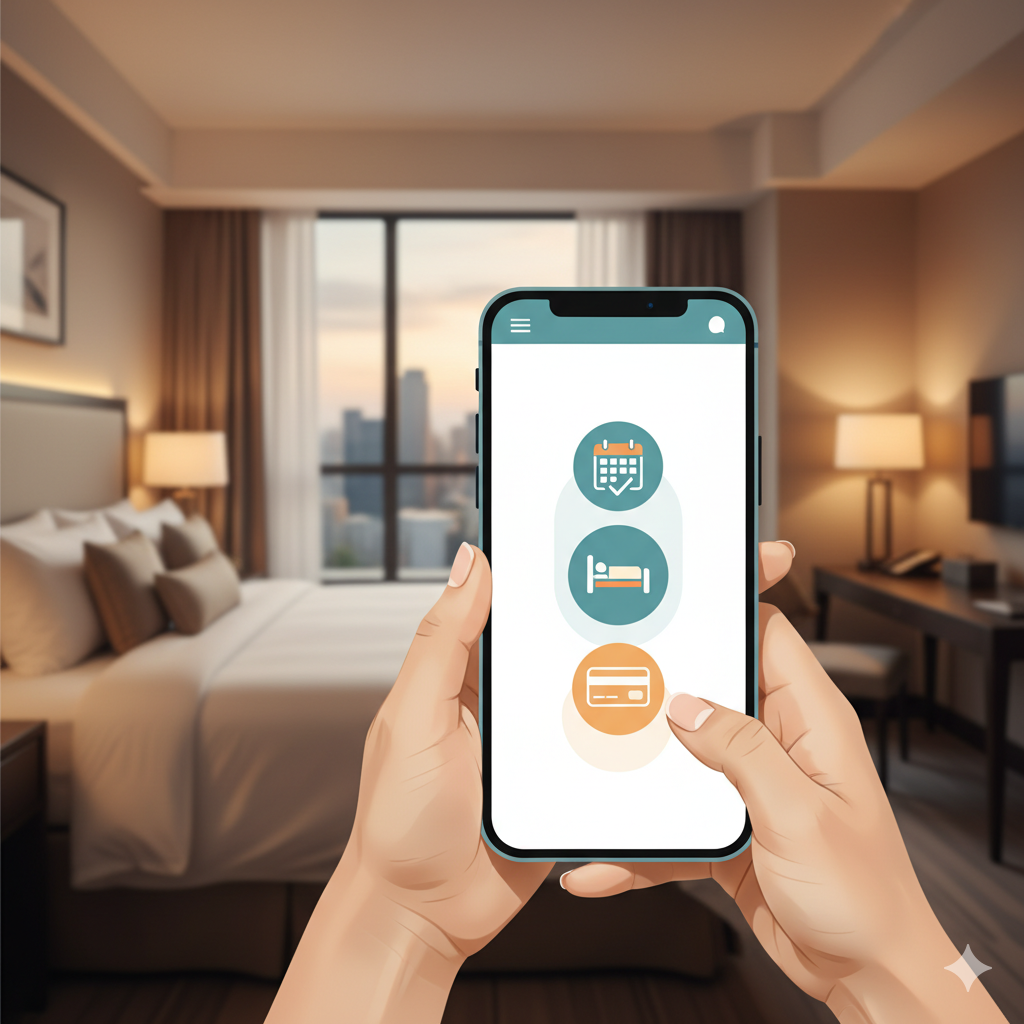
In today's digital era, traveler behavior has completely changed. Instead of making phone calls or sending emails to inquire about room rates, most customers prefer searching, comparing, and booking online. For accommodation businesses, owning a professional website booking hotel integrated with an online booking system (Booking Engine) is no longer an option, but has become a vital factor for competing and growing sustainably.
What is an online booking system (Booking Engine)?
An online booking system on a hotel website is software integrated directly into your website. This system allows visitors to check room availability, view real-time room rates, select add-on services, and make secure payments directly on the website without going through a third party.
Why do hotel websites need to integrate a booking system?
Below are the core reasons explaining why investing in a website booking hotel with an automated booking system is a strategic move for every hotel, from small homestays to luxury resorts.
1. Optimize direct booking revenue (Direct Booking) and reduce OTA costs
Online travel agency (OTA) channels such as Agoda, Booking.com, or Expedia are sources that bring in a large number of customers. However, commission fees ranging from 15% to 25% for each successful booking are a significant financial burden. When customers book directly through your website booking hotel, you keep 100% of the revenue, thereby maximizing profit margins.
2. 24/7 Operation - Never miss any booking opportunity
Customers can plan their trips at any time of the day, including midnight or early morning. If your website only has a standard contact form, customers will have to wait for a staff response. During that time, they may have already switched to booking at another competitor with an instant booking system. With a booking engine, your hotel is open to welcome guests 24/7 in a completely automated way.
3. Enhance customer experience and satisfaction
Convenience is a deciding factor in online purchasing behavior. A simple booking process with a user-friendly interface, clear display of room images, accompanying amenities, and instant booking confirmation via email will create a strong professional impression. Customers feel more secure and confident when transacting directly with the hotel's own brand.
4. Flexible real-time room availability and pricing management
The automated booking system synchronizes room availability data in real time. This completely eliminates the risk of 'overbooking' (selling more than the actual number of rooms) - a serious operational error that can ruin the hotel's reputation. At the same time, you can easily adjust room rates flexibly according to peak and off-peak seasons or create immediate demand-stimulating promotions.
5. Effectively owning and utilizing customer data
When customers book through an OTA, you rarely get their direct contact information. Conversely, through your own website booking hotel, you will collect valuable data such as email, phone number, preferences, and spending habits of guests. This is an invaluable resource for deploying Remarketing and Email Marketing campaigns to care for existing customers and build loyalty programs.
Comparison between booking via Website Booking Hotel and OTA
To get a more visual comparison, let's compare the two popular booking methods today:
| Comparison Criteria | Booking via Hotel Website | Booking via OTA Channels |
|---|---|---|
| Commission fees | 0% (Only incurs a very small system operation cost) | 15% - 25% per booking |
| Customer data | Hotel owns all information | Held by OTA, limited sharing with the hotel |
| Brand recognition | Enhances credibility and own brand image | Customers only remember the OTA's brand |
| Up-selling capability | Easily sell add-on services (spa, shuttle, dining) | Limited by OTA's interface and policies |
| Policy control | Hotel decides cancellation and refund policies on its own | Must strictly comply with OTA regulations |
Must-have features of a professional hotel booking website
To maximize the effectiveness of the booking system, your website needs to be equipped with the following core features:
- Responsive Design: The interface displays smoothly on all devices, especially mobile phones, which account for over 70% of travel searches.
- Diverse and Secure Payment Gateways: Supports multiple payment methods such as credit cards, bank transfers, e-wallets (Momo, VNPay) and ensures information security with SSL certificates.
- Multi-language and multi-currency support: Helps reach and provide maximum convenience for both domestic and international travelers.
- Channel Manager integration: Helps automatically synchronize room availability and prices across all other OTA channels, avoiding information discrepancies.
Frequently Asked Questions (FAQ)
How much does it cost to integrate an online booking system into a website?
This cost depends on the scale of the hotel and the solution you choose. It could be a one-time software purchase fee, a package website design fee, or a monthly subscription fee (SaaS). Overall, this investment is usually very small compared to the commission you save from OTA channels after just a few months of operation.
Is the online booking system difficult for staff to use?
No. Modern booking engine systems today are designed with intuitive, user-friendly administration interfaces in Vietnamese. Receptionists or hotel managers only need to go through a short training session to master and operate the system smoothly.
How to attract customers to book directly on the website instead of OTAs?
You can apply a 'Best Price Guarantee' strategy on your website. In addition, offer added values that OTAs do not have, such as: free breakfast, free early check-in/late check-out, or a welcome drink when guests book directly through the website booking hotel.
Conclusion
In summary, owning a website booking hotel integrated with an online booking system not only helps the hotel professionalize its image in the eyes of customers, but is also the golden key to breaking free from dependence on OTAs, optimizing profits, and automating operational processes. Start upgrading your hotel website today so you don't miss out on this inevitable development trend.